


Influencer Marketing Trends 2026

Read how you can build a more permanent memory trace with strategic influencer collaboration and guide purchasing decisions even in the long term.
Influencer marketing in Finland grew by 6.2%, or EUR 3.5 million, in 2024. Turnover will soon surpass print media, predicted journalist Alex af Heurlin (HS 8/2025).
We have compiled the most important influencer marketing trends and perspectives for 2026 that every marketer responsible for brand growth and building the future should know.
1. Moving engaged audiences across media boundaries
Engaged audiences have emerged around influencers, which traditional media does not reach as effectively. That’s why television, radio, and brands are increasingly using well-known influencers in their own programs and content concepts. The aim is to get some of the influencers’ audience to listen to the media’s own content.
At the same time, influencer-driven concepts are becoming more common: brands’ own content entities are built directly around the personalities and audiences of influencers. Traditional media benefits from the committed fan base of influencers. Social media, on the other hand, utilises the production elements of traditional media – the best practices of different media merge with each other.
2. Influencer content in search results
According to Dagmar’s Multichannel Search survey, more than two million Finns use social media channels as search engines. Users are increasingly finding influencer content through social searches.
It is important that your brand has content that matches the most common search terms and themes on social media as well. Influencer collaboration makes your brand naturally visible in those social media environments where the target group is already looking for inspiration, recommendations and information.
3. Attract the attention of generations X and Y with purchasing power
The establishment of TikTok and the prominence of Generation Z create the impression that influencer marketing is only for young people. In reality, generations X and Y have significant purchasing power that should not be ignored. The rush of everyday life and the overload of information make them a demanding target group with low attention value, where attention is earned only with essential content.
This audience appreciates utility, credibility, and relatability. The content must produce concrete value, such as solutions or insights for everyday life. Trust is created from an expert perspective that is suitable for the stage of life, with an emphasis on family, work, well-being and finances.
4. Phenomenon-making with conceptual PR-gifts
The brand story is concretized with increasingly impressive PR-gifts, which are integrated as a natural part of the campaign entities and the annual marketing clock. It’s not just about product deliveries, but about personal experiences that invite the influencer to be part of the brand story and build a relationship with the audience. A gift package carried out with an influencer partner is the most effective way to make a product or service a phenomenon.
5. AI and influencer marketing
The entire marketing industry is now buzzing about artificial intelligence, but what is its significance in influencer marketing? Well, that’s limited for now. Influencer marketing cannot be outsourced to artificial intelligence.
Influencer marketing is basically a human business that is based on trying to influence target groups through personal brands, human content production and contextuality. Instead, the role of artificial intelligence can be seen in the background as a tool that streamlines processes. For example, it speeds up reporting and brainstorming, but it does not replace human vision.
6. Mega-influencers: from attention to permanent memory
Recently, there have been world-renowned names in influencer marketing in Finland, even Hollywood-level stars. When the goal is to really stand out and leave a long-lasting memory mark, mega-influencers offer an effective way to do so.
For example, the use of icons such as Samuel L. Jackson (Vattenfall), Owen Wilson (Wolt) or Jason Momoa (Classic ice cream) shows the courage to think big and build a convincing brand story with evoked images and memories.
Which megastar could your brand collaborate with?
When you want to make truly impactful collaborations, contact Dagmar’s influencer marketing experts. We are happy to help!
AUTHOR
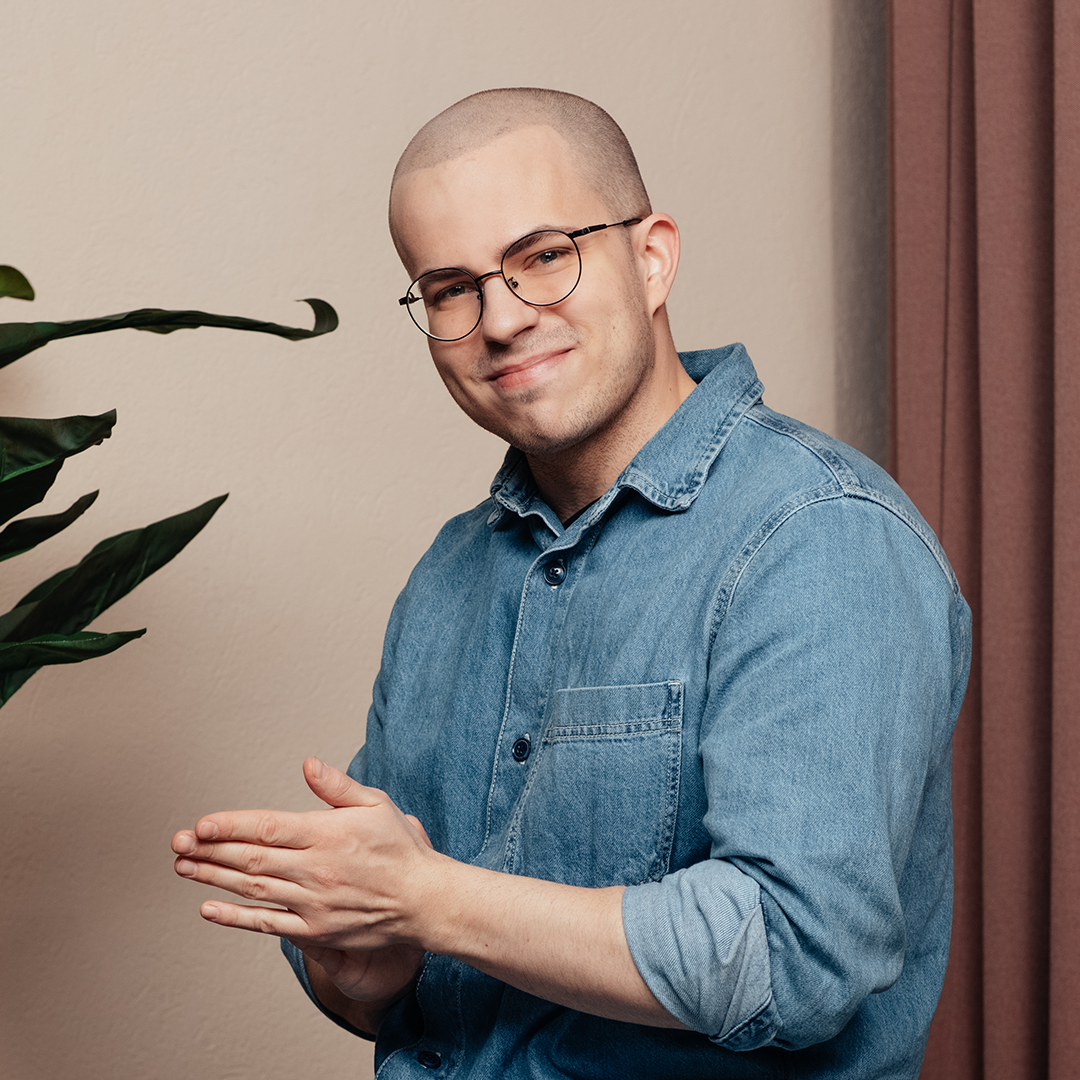
Head of Creative Social
LinkedIn
Mikko is a Head of Creative Social who helps implement effective influencer campaigns and content for clients. In his free time, he goes to the gym, sees friends, and spends a little too much time on social media.
Read more of our articles
-
 Social First needs a kick in the ass!From a hero flick produced with a lot of money, cuts are still cut into…Read the blog
 -
 Marketing trends 2026: technology is accelerating, humanity is emphasizedTechnology is accelerating and algorithms are getting wiser, but the consumer remains human. The year…Read the blog
 -
 Megatrends 2026: how marketing and insight will guide success in a time of changeSitra´s updated Megatrends are here again. With the help of the great forces of change…Read the blog